






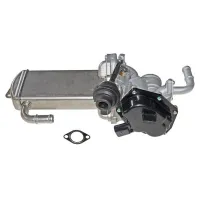
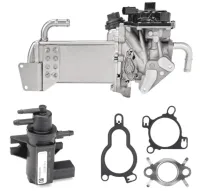
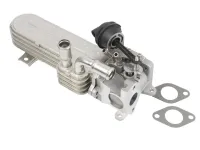
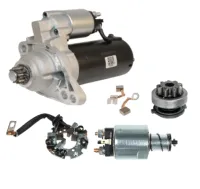




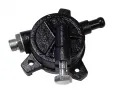
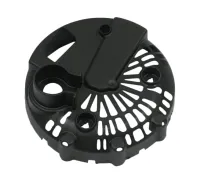
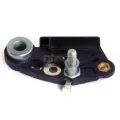
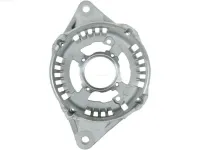






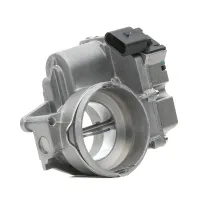




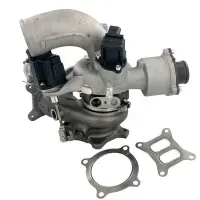


































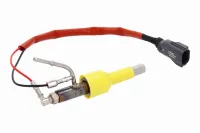
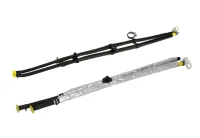
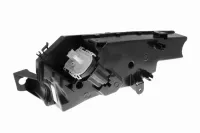
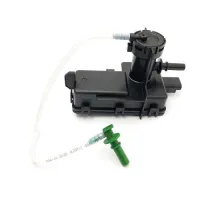

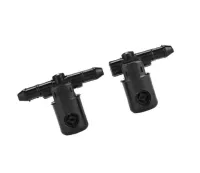
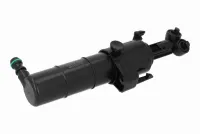
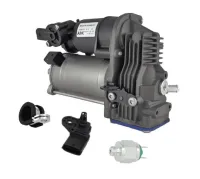
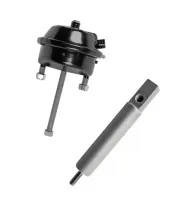






























Modern engines are difficult to imagine without a turbocharger. It allows a relatively small engine to produce more power while maintaining reasonable fuel consumption. However, like any mechanical component, a turbocharger does not last forever.
Loss of power, excessive smoke, or a whistling noise during acceleration – these problems often make drivers expect an expensive repair. A new original turbocharger can indeed be costly, but in practice, the entire turbocharger rarely needs to be replaced. If the housings are not damaged, the turbocharger can often be professionally repaired by replacing only the worn internal components.
Most Common Causes of Turbocharger Failure
Turbocharger damage is usually a consequence rather than the root cause of the problem. Turbocharger failures are most commonly caused by other issues within the engine or its supporting systems:
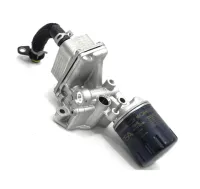
- Insufficient lubrication or poor oil quality: The turbocharger shaft requires a continuous supply of clean engine oil. Delayed maintenance or blocked oil passages can quickly cause carbon deposits, scoring, excessive wear, and eventually shaft failure.
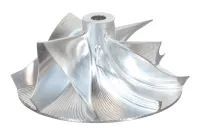
- Foreign objects in the system: Even small particles of dust, dirt, or metal entering through the air filter or intake system can damage the turbocharger blades and affect the operation of the turbocharger core.
- Overheating: Aggressive driving followed by immediately switching off the engine after heavy load does not allow the turbocharger to cool down gradually. This can result in thermal degradation of the oil and the formation of carbon deposits (coking) around the rotor shaft.
Key Turbocharger Spare Parts
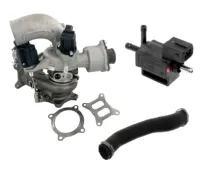
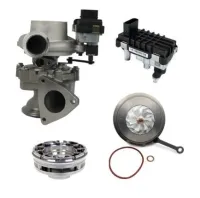
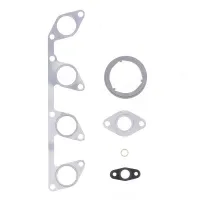
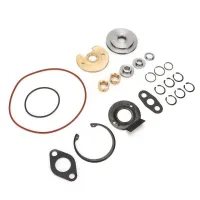
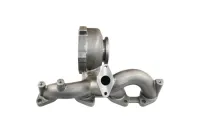
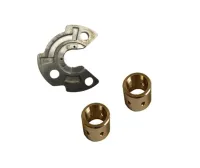
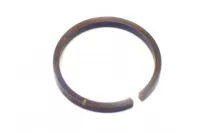
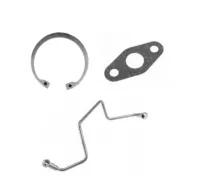
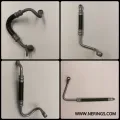
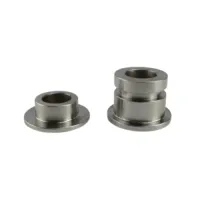
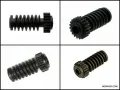
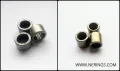
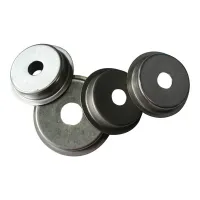
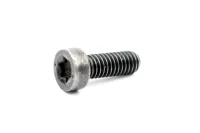
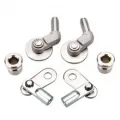
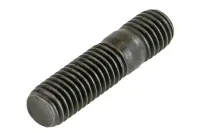
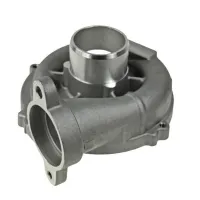
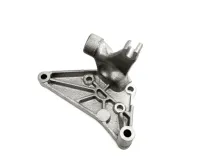
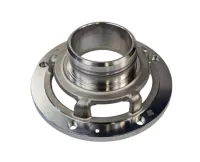
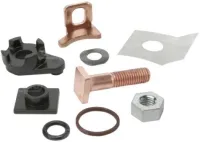
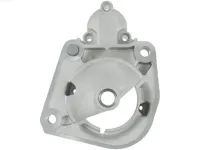
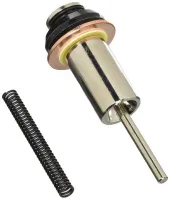
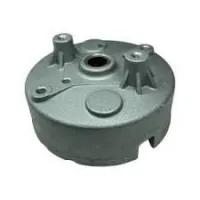
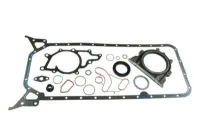
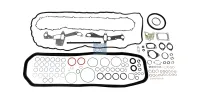
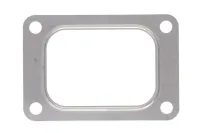
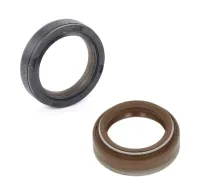
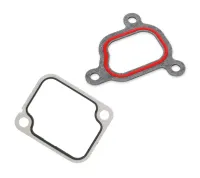
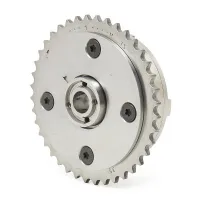
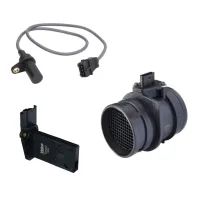
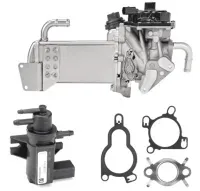
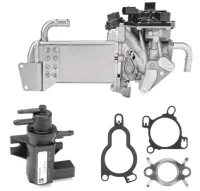
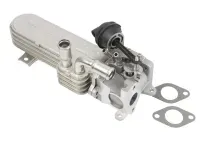
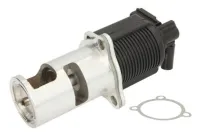
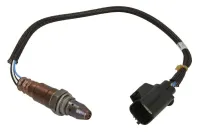
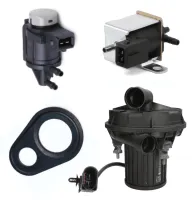
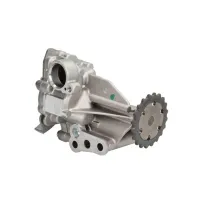
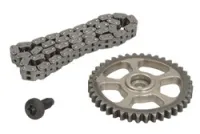
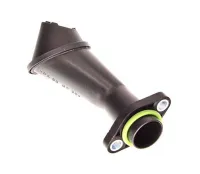
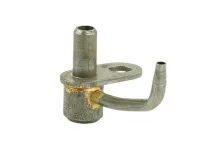
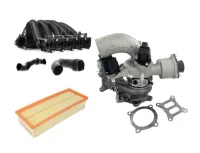
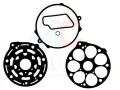
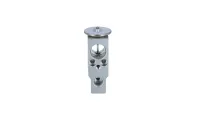
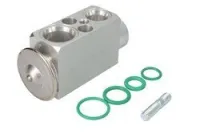
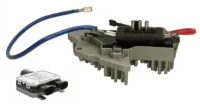
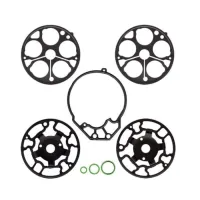
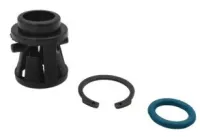
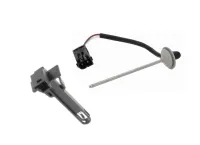
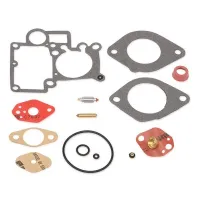
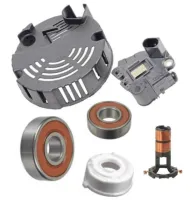
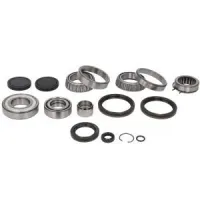
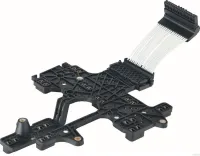
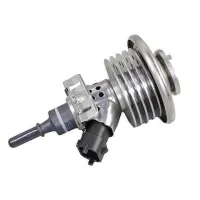
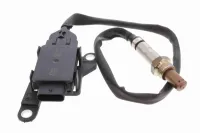
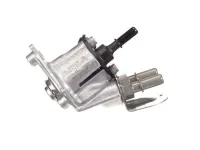
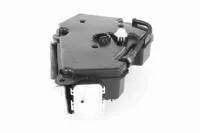
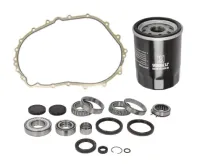
For a successful repair, it is essential to determine exactly which component has failed. A turbocharger consists of several major components, many of which are available as individual spare parts:
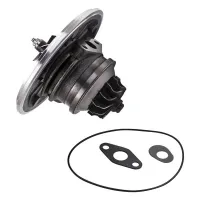
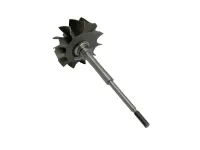
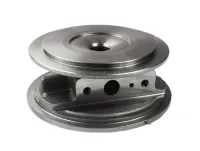
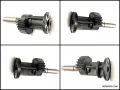
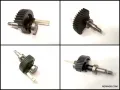
- CHRA or turbocharger cartridge (core): This is the central part of the turbocharger and consists of the shaft, bearings, compressor wheel, turbine wheel, and other internal components. If the outer housings are in good condition, replacing the CHRA is one of the fastest and most effective ways to restore turbocharger operation.
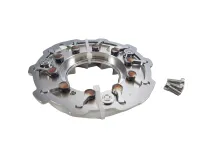
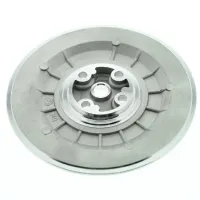
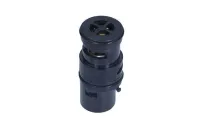
- Variable Geometry (VNT): This mechanism controls the flow of exhaust gases through the turbocharger and is particularly common in diesel engines. Carbon and soot deposits can cause the vanes to stick, which may result in loss of power, irregular acceleration, or performance problems at certain engine speeds.
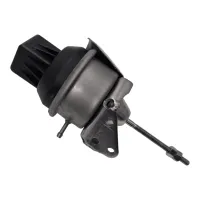
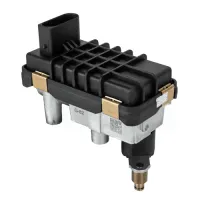
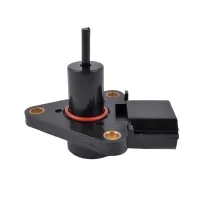
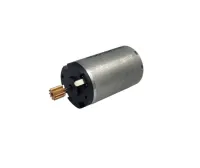
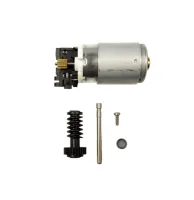
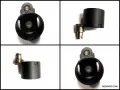
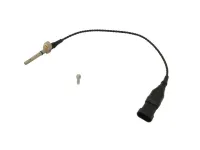
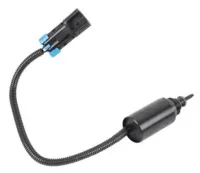
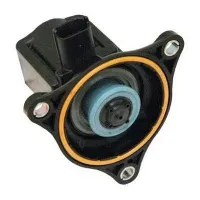
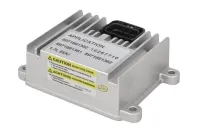
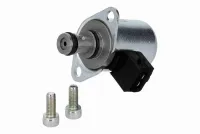
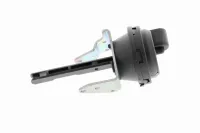
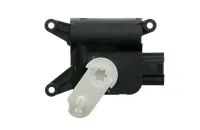
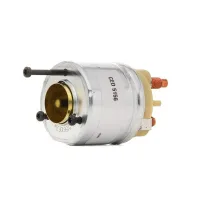
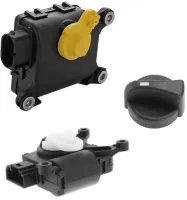
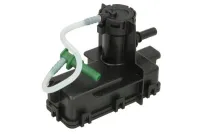
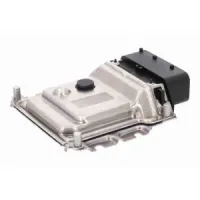
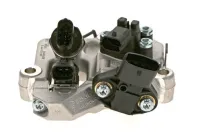
- Actuators – vacuum or electronic control units: Turbocharger actuators control boost pressure and turbo operation. If an electronic actuator fails, the engine may enter limp mode. Depending on the design, these units can be separately programmed, repaired, calibrated, or replaced.
Why Is Turbocharger Balancing Important?
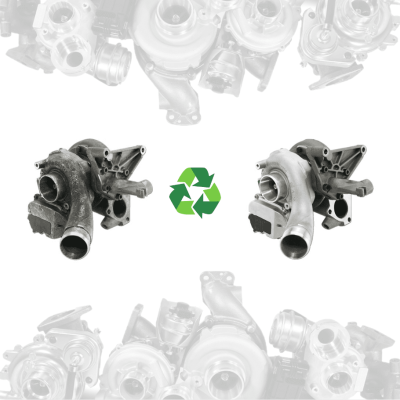
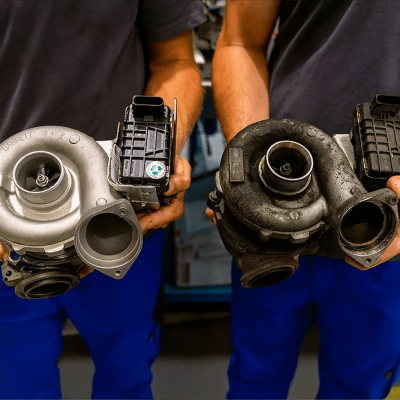
At Nerings, turbocharger reconditioning is a carefully controlled technical process consisting of several stages. The turbocharger is completely disassembled, and its components are thoroughly cleaned to remove carbon, oil, and other deposits. Our technicians then inspect the components and install new parts that meet the required manufacturer standards.
One of the most important stages is balancing and calibration. During operation, a turbocharger rotor can reach speeds of up to 200,000 revolutions per minute. At such high speeds, even a very small imbalance can create vibrations that rapidly increase wear and may lead to repeated turbocharger failure.
In our workshop, turbochargers are tested, balanced, and adjusted using specialized equipment to achieve the required operating parameters and ensure reliable performance.
Turbocharger Repair Experience Since 1998
If diagnostics are carried out before the turbocharger housings or other major components become irreparably damaged, professional reconditioning can often be the most economical solution. By using quality spare parts, precise balancing, and correct calibration, the turbocharger's performance can be fully restored.
Nerings has been specializing in the repair and reconditioning of turbochargers and other automotive components since 1998. Our extensive spare parts inventory and many years of experience allow us to quickly identify and supply the necessary components for passenger cars, commercial vehicles, trucks, and agricultural machinery.
Customers can purchase individual turbocharger spare parts for their own repairs or choose a fully professionally reconditioned turbocharger ready for installation.
All our reconditioned turbochargers and supplied spare parts are covered by a warranty of at least 12 months, while new original parts are covered by a 24-month warranty.
Contact the Nerings Specialists
Need turbocharger repair, diagnostics, or spare parts? Contact our specialists or visit us in person:
- Riga: Tīraines Street 9A, Latvia
- Baldone: Silmaču Street 64, Latvia
- Phone: +371 29463546